Former institutional fixed income trader and portfolio manager. Now building at the intersection of AI, traditional finance systems, and programmable financial infrastructure, helping organizations navigate the convergence of TradFi, digital assets, and intelligent automation.
Traditional financial infrastructure and crypto-native systems are not in a winner-take-all race. They are evolving into two parallel systems with increasing crossover. Stablecoins are already rewriting payments. On-chain settlement is compressing counterparty risk timelines. AI is automating workflows that used to require entire middle offices.
The question is not which system wins. It is which one captures the most programmability, the most automation, the most intelligent routing of capital, and how the plumbing between them gets built. Whichever system absorbs more programmable infrastructure will attract the flows. Dollars may eventually move off legacy rails entirely.
I position at this seam: deep enough in institutional finance to understand the real constraints, technical enough to design systems that actually work, and forward-leaning enough to see where AI and on-chain infrastructure reshape what is possible. Solutions architecture at this intersection is the highest-leverage role in modern finance.
I started in institutional fixed income sales at Merrill Lynch and Jefferies, covering interest-rate products within high-producing institutional teams. From there I moved to the trading side: proprietary rates and macro trading at Nomura, cross-asset execution at PointState Capital, and global portfolio management at PGIM managing interest-rate and relative-value portfolios across U.S., Canadian, European, and Japanese markets.
That career taught me how capital actually moves: the counterparty relationships, the settlement frictions, the risk plumbing that most technologists never see. It also showed me exactly where the system breaks down and where AI, programmable assets, and on-chain infrastructure can fundamentally rebuild it.
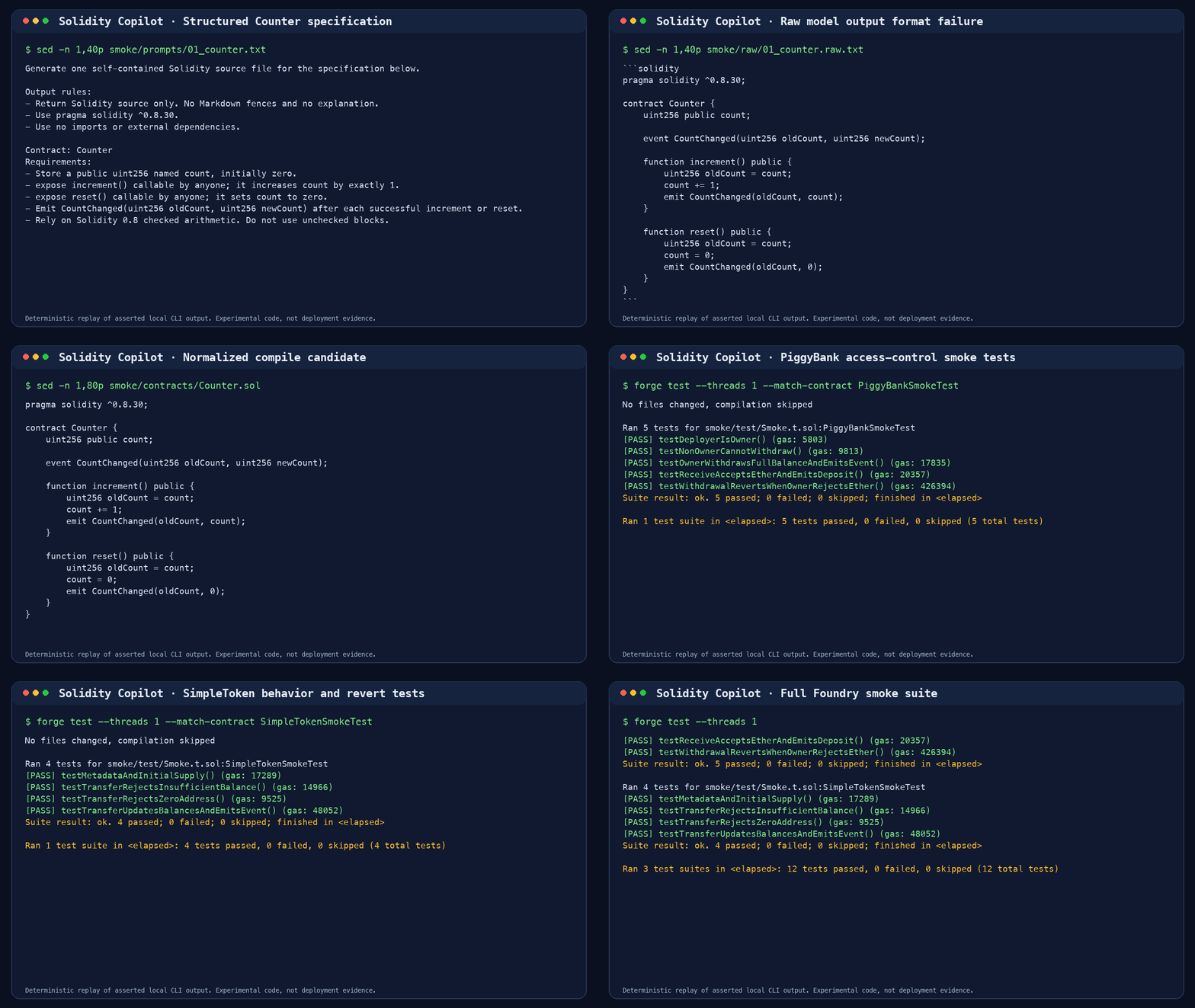
I have since gone deep into blockchain development (Solidity, Go, EVM internals), AI-driven workflow design, and systems architecture. Not to become a pure engineer, but to become the person who can design solutions that bridge real financial understanding with genuine technical capability.
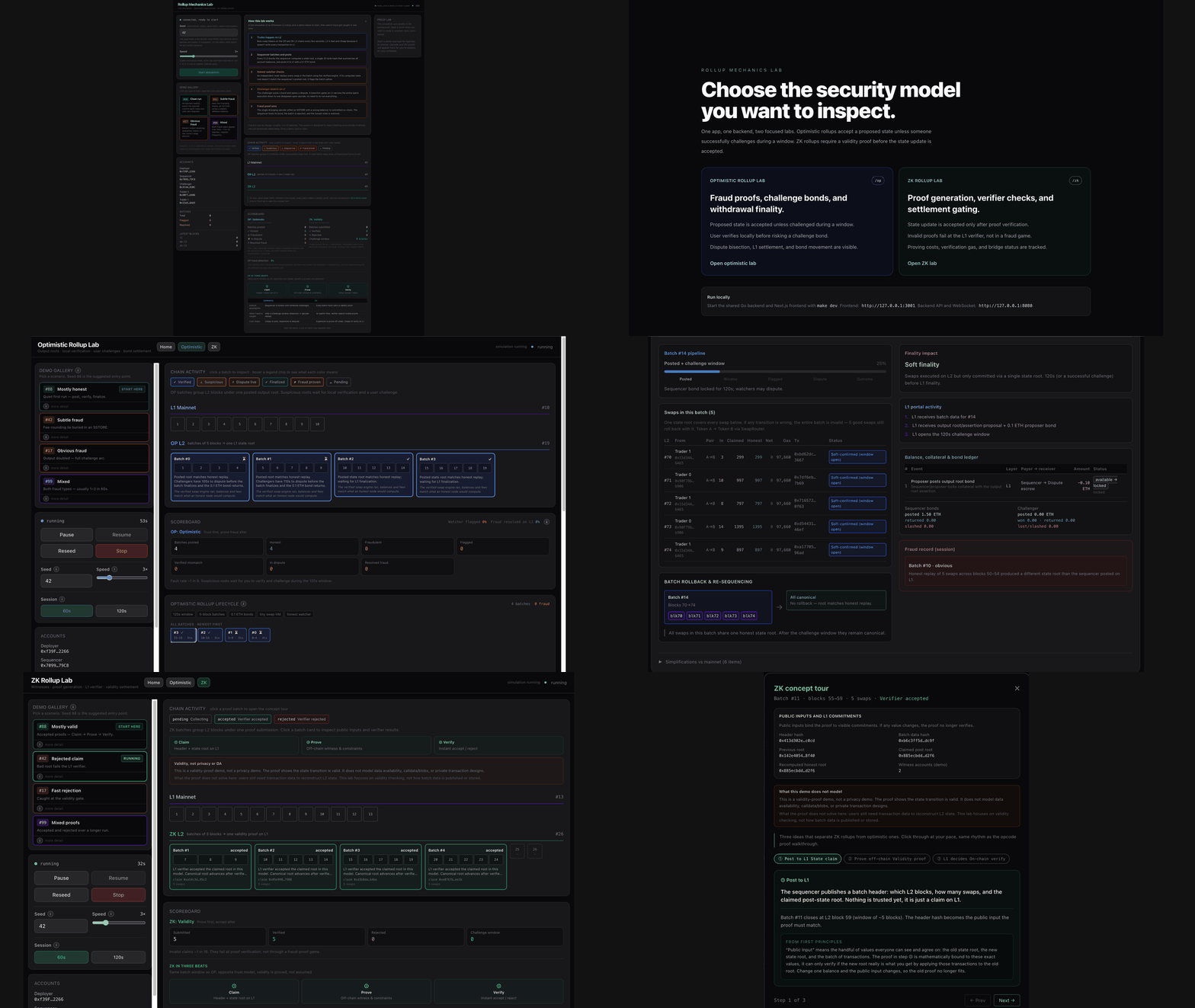
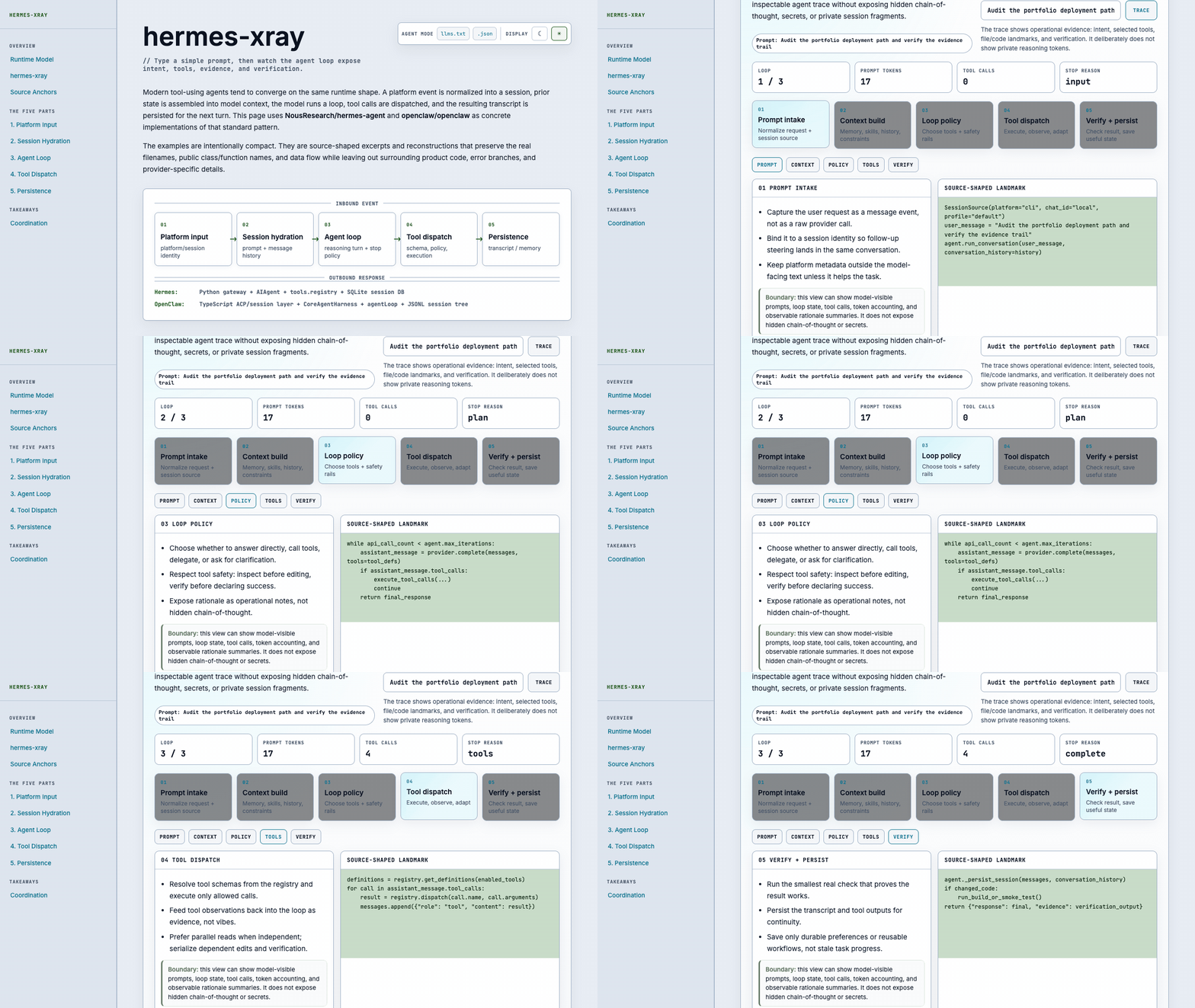
Each project demonstrates a specific capability: systems design, protocol-level understanding, financial infrastructure thinking, or the ability to translate complex domains into working software.
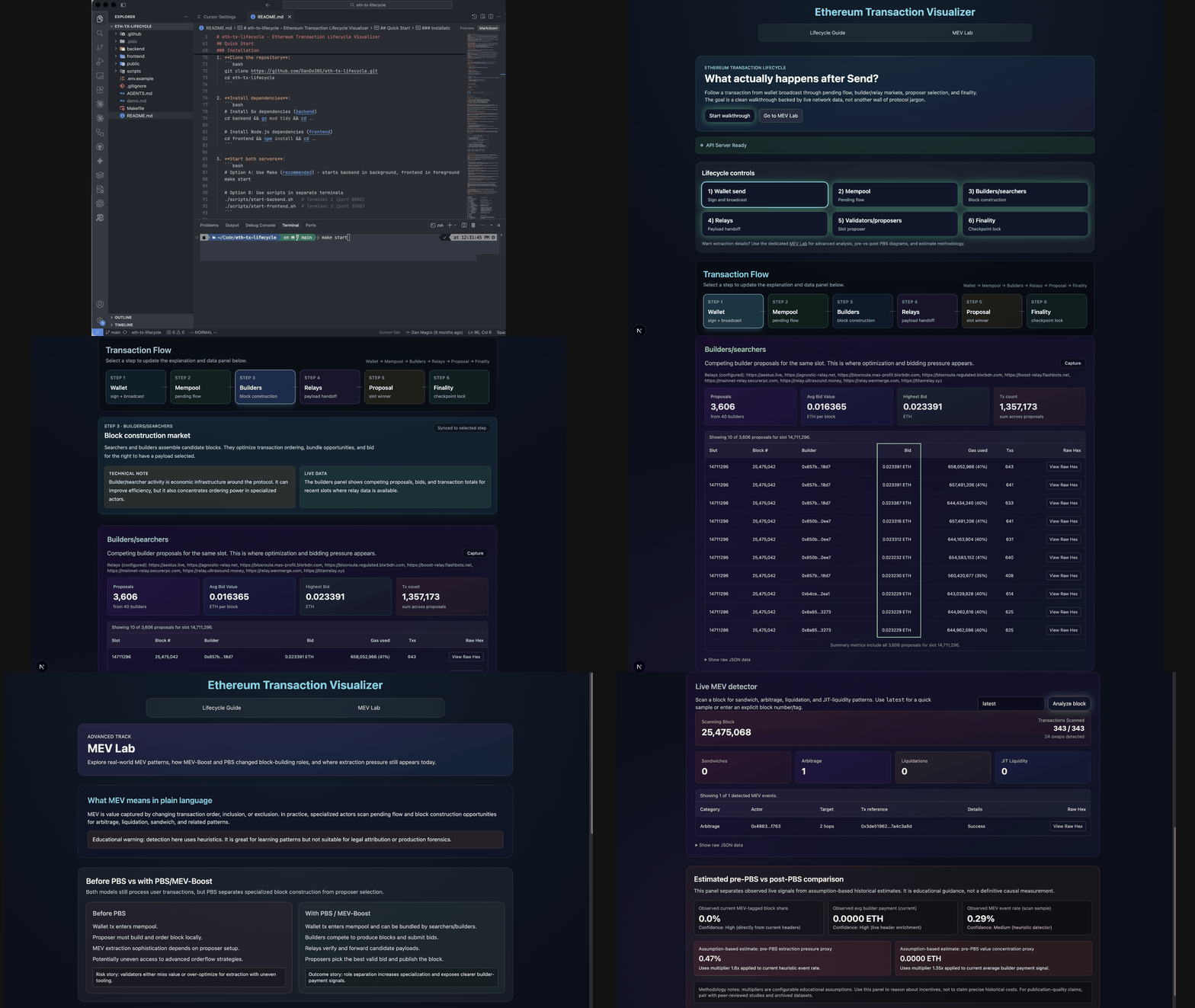
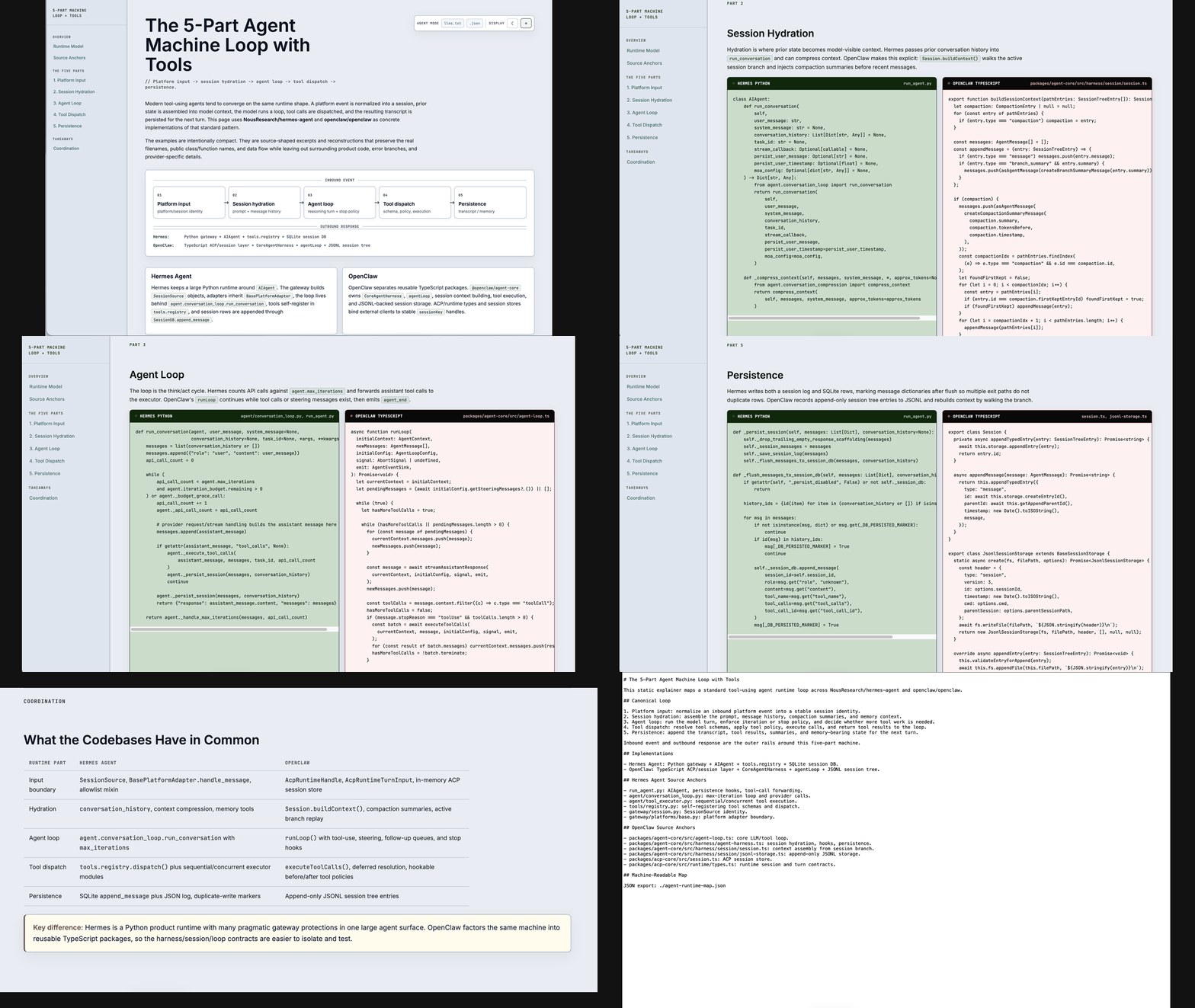
Most people, including many working in crypto, have no real understanding of what happens between clicking "send" and a transaction becoming irreversible. The entire lifecycle spans execution and consensus layers, MEV extraction, builder auctions, validator economics, and Casper-FFG finality. I built a full-stack visualization tool that makes this entire pipeline observable, interactive, and educational, with zero prior knowledge required.
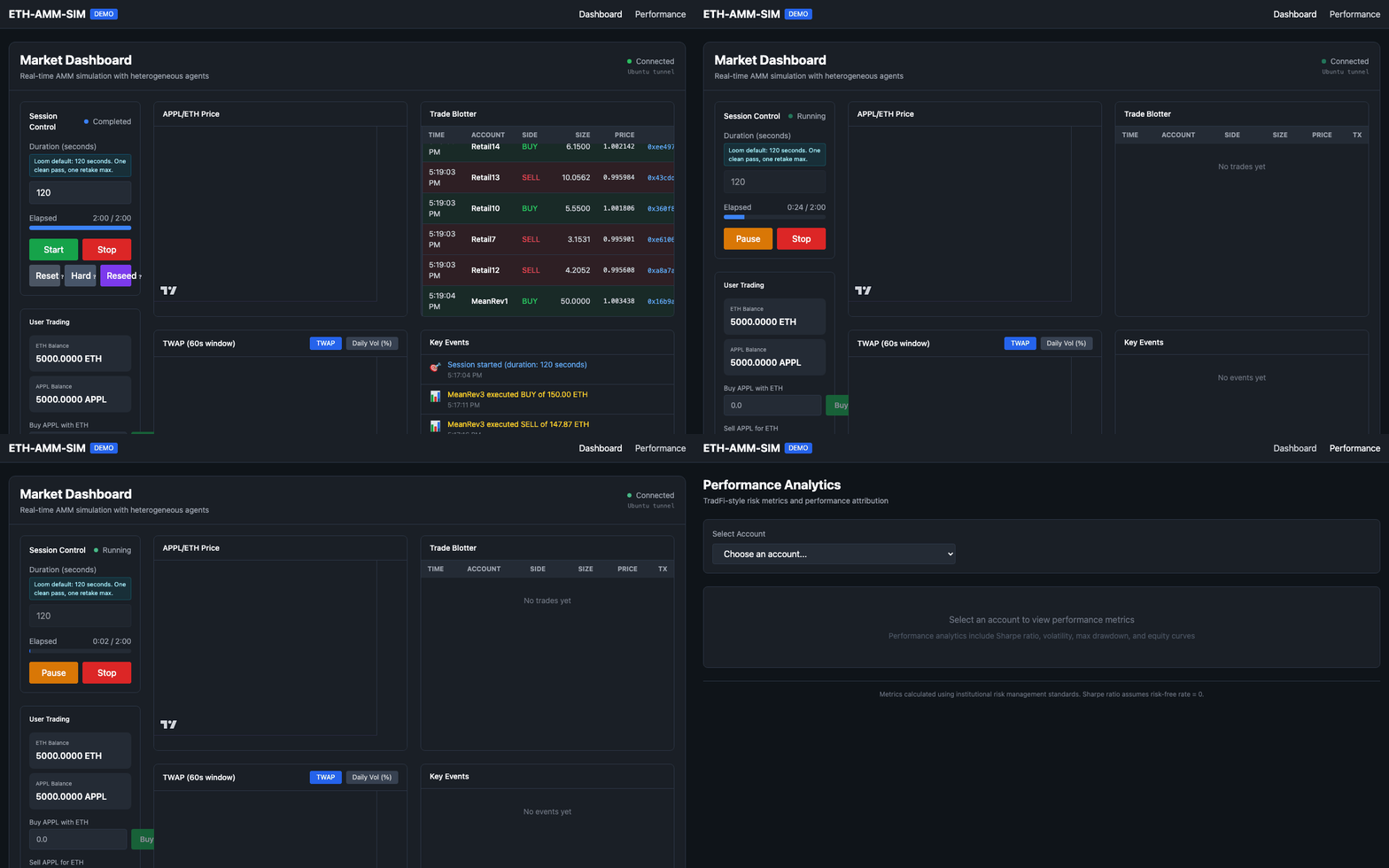
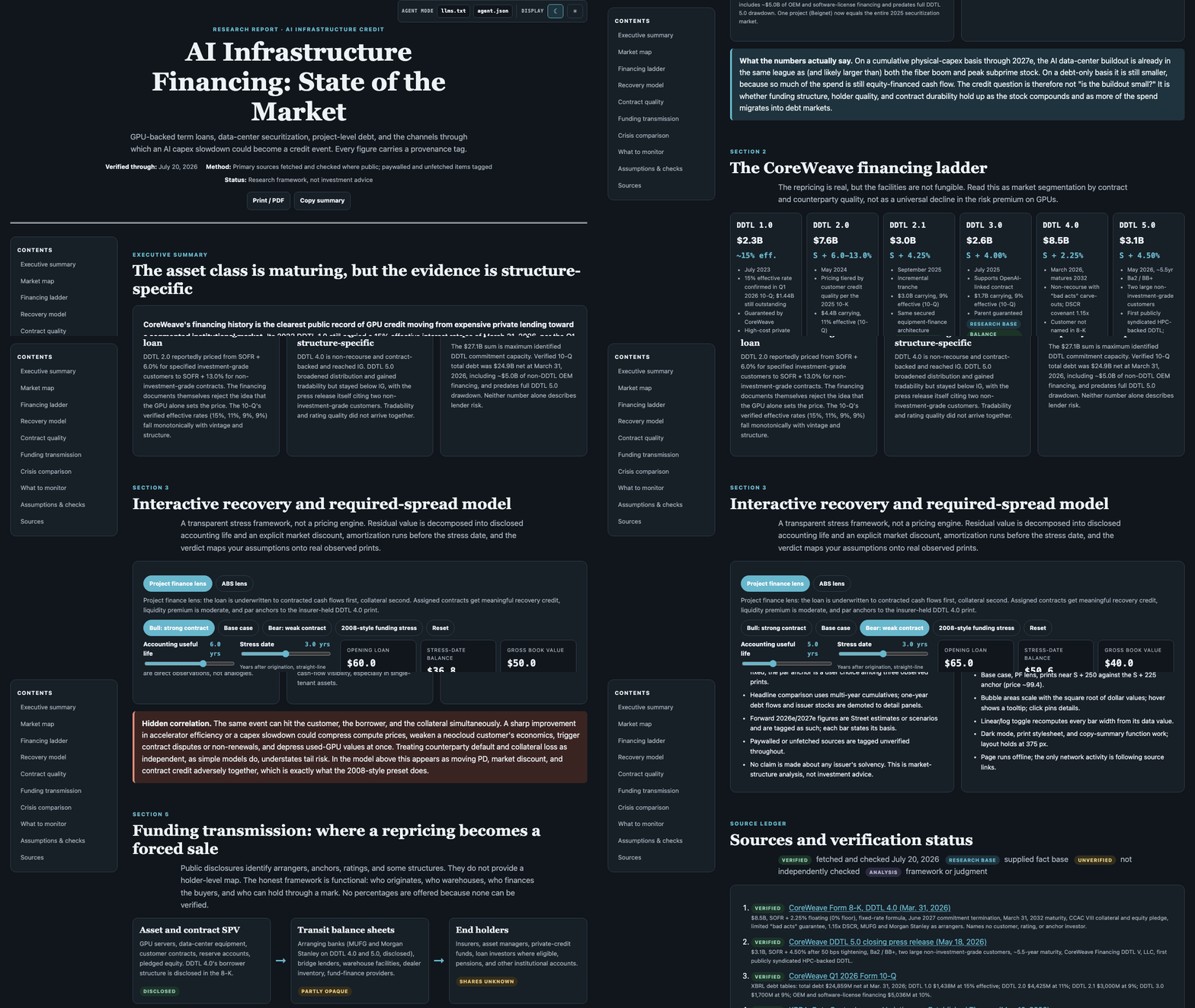
Automated market makers are the core primitive of DeFi liquidity, but their economics are poorly understood even by experienced traders. Impermanent loss under different volatility regimes, fee accrual dynamics, and concentrated liquidity positioning all behave in ways that defy intuition built on order-book markets. I built a simulation engine that makes these dynamics concrete, quantifiable, and explorable, the way a rates trader would model yield curve scenarios.
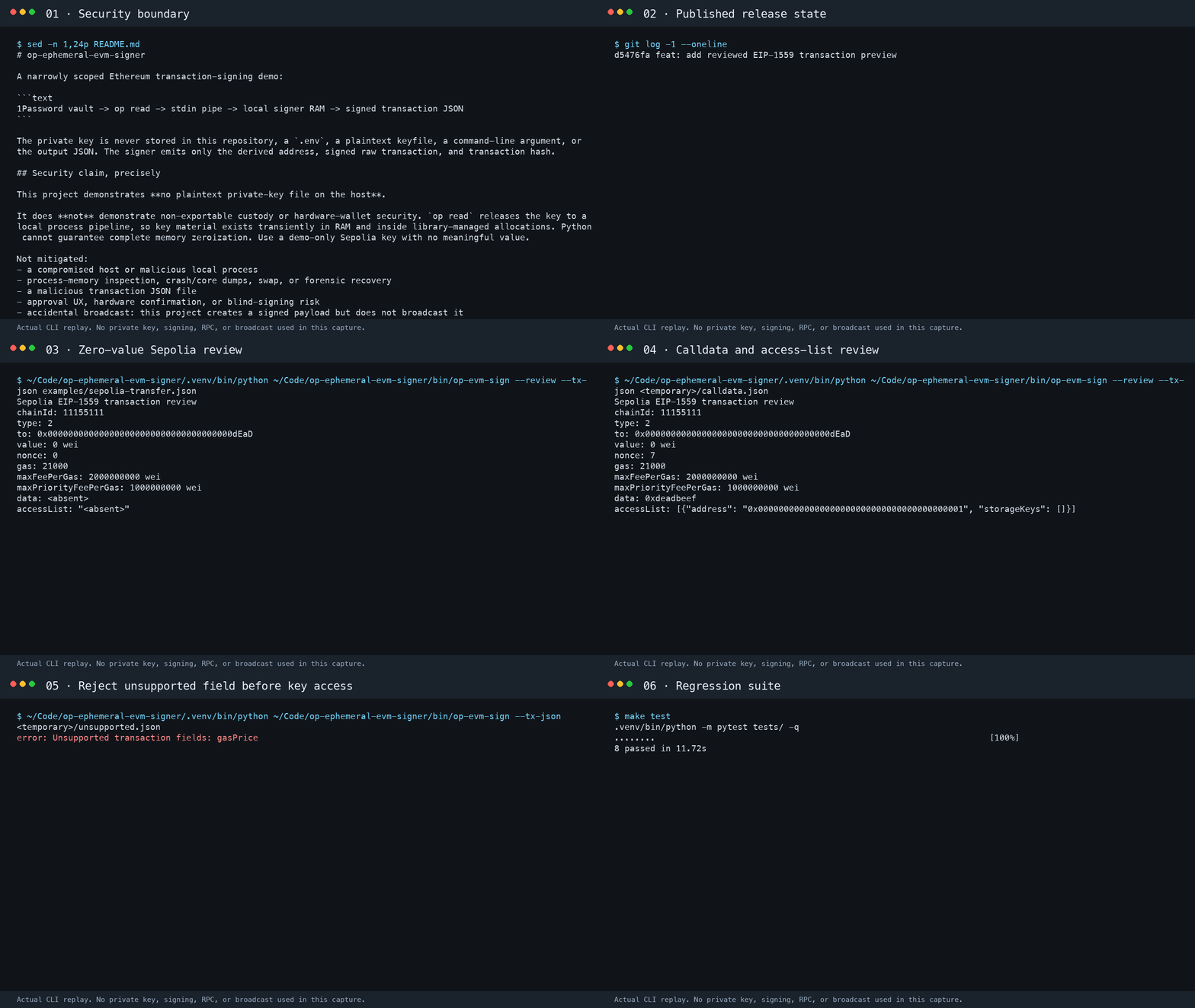
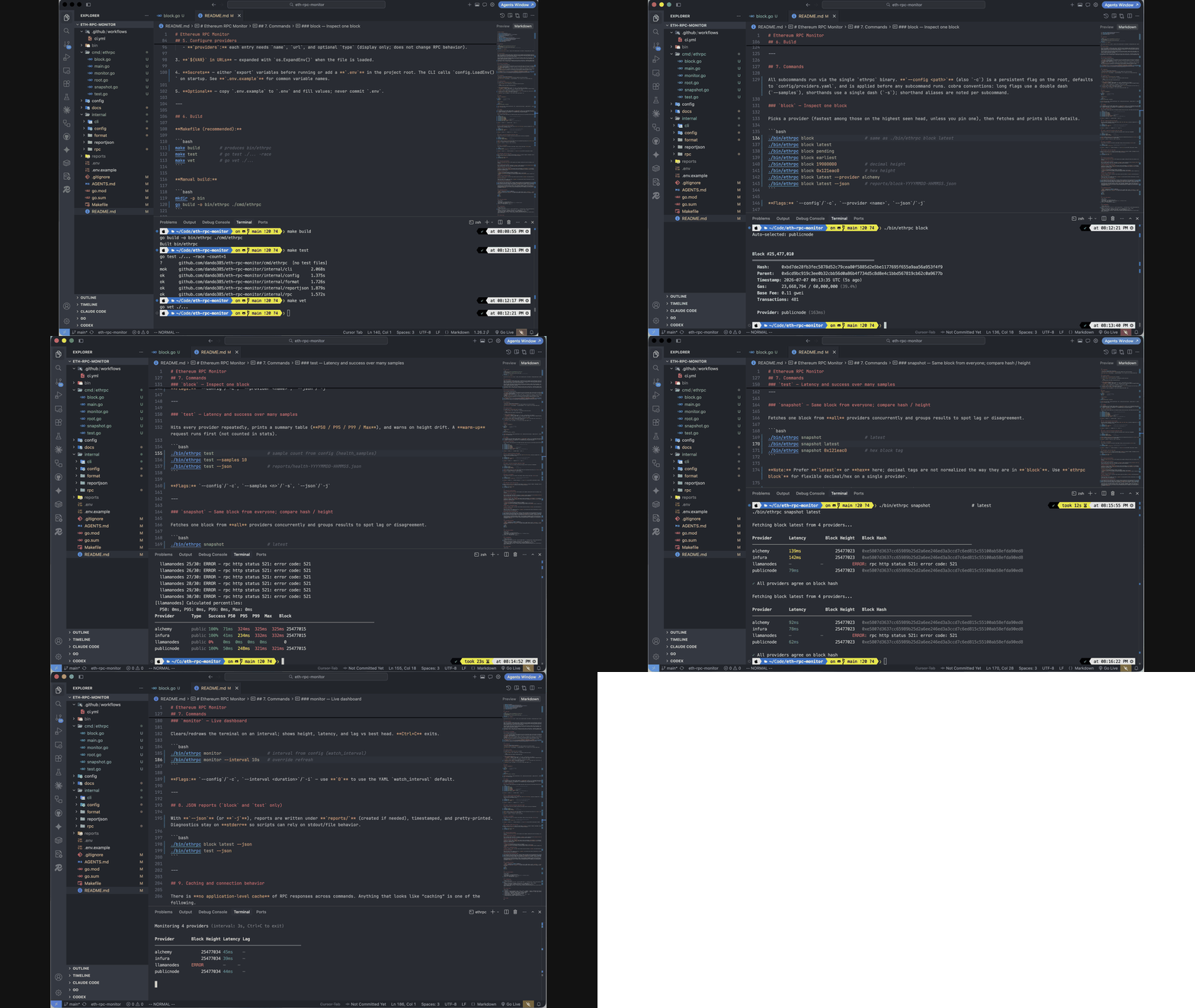
RPC reliability is the invisible dependency behind every dApp and DeFi protocol. When your node provider degrades, you need to know before users start filing tickets. I built a real-time monitoring tool that tracks latency, block freshness, and error rates across multiple Ethereum JSON-RPC endpoints concurrently, the kind of observability layer that production infrastructure teams actually need.
I am looking for Financial Solutions Architecture, Technical BD, or strategy roles where deep institutional experience and technical infrastructure fluency create compounding value. Anywhere the bridge between traditional finance, AI, and programmable systems needs to be designed properly.